


5 Door Handle Problems No One Talks About (And How to Fix Them)
11 August 2025 :: Uncategorised, About More Handles & Door Handles & Knobs
5 Door Handle Problems No One Talks About (And How to Fix Them)
When it comes to home maintenance, door handles are one of those features we often overlook—until they stop working. While a wobbly handle or a stuck latch may seem minor, these seemingly small issues can lead to big frustrations (and even security risks) if left unresolved.
Most articles address only the obvious problems, but today we’re diving into the five door handle problems no one talks about—and more importantly, how to fix them. Whether you’re a homeowner, a landlord, or a keen DIY enthusiast, this guide will help you tackle these hidden headaches before they escalate.
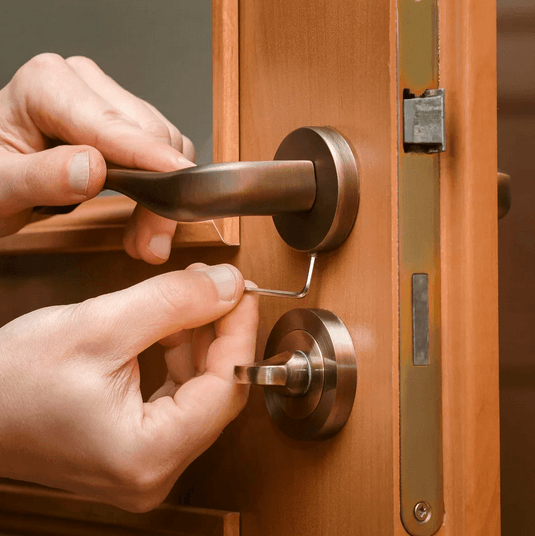
1. Door Handle Springs Back Too Slowly (or Not at All)
The Problem:
Have you ever turned a door handle, let go, and noticed it stays limp or takes ages to return to its original position? This isn’t just a minor annoyance—it’s often a sign that the internal spring mechanism is wearing out or jammed.
Why It Happens:
Over time, the return spring inside the door handle can become worn, corroded, or misaligned. This issue is especially common in internal doors that are used frequently, such as those in kitchens or bathrooms.
The Fix:
- Step 1: Remove the handle using a screwdriver (usually via a concealed grub screw or under the cover plate).
- Step 2: Inspect the spring cassette. If it’s rusty or broken, replace it. You can buy replacement springs for most standard handle types online or at your local hardware shop.
- Step 3: Clean the housing with WD-40 or a silicone spray before fitting the new spring.
- Step 4: Reassemble and test the return action.
Top Tip: If the spring keeps breaking, consider upgrading to a higher-quality lever handle with a reinforced internal mechanism.
2. Handle Rattles Even When the Door Is Closed
The Problem:
Does your door handle rattle or shake even when the door is securely shut? This can be more than just a noise issue—it often points to a misalignment between the strike plate and the latch.
Why It Happens:
As houses settle or door frames warp slightly with temperature changes, the latch may not sit snugly in the strike plate. This small gap allows the door to move slightly, causing the handle or latch bolt to rattle.
The Fix:
- Step 1: Close the door and observe where the latch meets the strike plate.
- Step 2: If there's visible play, adjust the strike plate by loosening the screws and shifting it slightly.
- Step 3: For a more precise fit, add a thin adhesive felt pad to eliminate movement.
- Step 4: Tighten everything and test again.
Bonus Fix: If the strike plate is damaged or worn, replacing it with a new one can solve the problem for good.
3. Door Handle Becomes Loose Repeatedly
The Problem:
You tighten the screws on your door handle, only for it to become loose again a few weeks later. Sound familiar?
Why It Happens:
This issue usually occurs when the screw threads in the door have worn out or if the wrong type of screws have been used (e.g. wood screws in a hollow door or chipboard).
The Fix:
- Step 1: Remove the screws and inspect the holes. If they’re stripped, use matchsticks or dowels with wood glue to fill the space and allow new threads to grip.
- Step 2: Let the glue dry completely, then re-drill pilot holes for the screws.
- Step 3: Use longer or thicker screws, or consider threaded bolt fixings (especially for internal doors with both handles connected through the door).
Preventative Tip: Use washers or backplates to distribute force evenly and prevent future loosening.
4. Internal Lock Gets Stuck or Won’t Engage
The Problem:
You turn the thumb lock on your bathroom or bedroom door—but it either sticks or won’t lock properly.
Why It Happens:
The internal locking mechanism can become misaligned, clogged with debris, or worn over time. In some cases, it's due to seasonal expansion of the door, which affects the alignment of the latch.
The Fix:
- Step 1: Try lubricating the mechanism with a silicone-based spray (avoid oil-based lubricants which attract dust).
- Step 2: If the problem persists, remove the handle and inspect the internal lock. Clean or replace as needed.
- Step 3: Check that the bolt lines up correctly with the strike plate and adjust if necessary.
Security Tip: If the lock sticks frequently, it may pose a safety risk in emergencies. Replace it with a new privacy lock set.
5. Handle Is Hot or Cold to the Touch
The Problem:
In extreme weather, your external door handle feels unusually hot or cold—even more than the rest of the door. This isn’t just uncomfortable; it may also point to poor insulation or thermal bridging.
Why It Happens:
Metal handles, especially stainless steel or brass, conduct heat. If the handle is connected directly to the outside environment without any thermal break, it will transfer temperature extremes indoors.
The Fix:
- Step 1: Check the type of handle installed. Consider upgrading to handles with thermal breaks or those made from less conductive materials like uPVC or coated aluminium.
- Step 2: Use weather stripping around the door and backplates to reduce heat loss and limit conduction.
- Step 3: In double-glazed or composite doors, ensure the handle has the correct backing insulation to reduce thermal transfer.
Energy Saving Bonus: Improving thermal insulation around your door handles can slightly boost energy efficiency—every little helps in today’s climate!
Final Thoughts
Most people don’t give door handles much thought—until they start causing problems. These five lesser-known issues may seem minor on their own, but they can quickly add up to frustration, security concerns, and even costly repairs if ignored.
The good news? With a few simple tools and the right know-how, you can fix nearly all of them yourself—saving time and money in the long run.